An overlooked precarity for local varieties
How easily local varieties can be lost if not conserved.
Imagine if one of your favourite foods disappeared from one year to the next? This seems dramatic and yet for many smallholders, it’s a growing reality. I saw this first hand last year.
I spent March 2023 traveling across Eastern Uganda to study smallholder farming systems. I spoke with many individuals during that time, but one conversation with a seed trader made me realise how fragile these systems can be.
The trader was telling me about local favourite bean varieties. For many, meat is expensive and so beans are common in local dishes as an important protein source. My new friend was listing off the local names for various varieties, and why people liked them. Then he mentioned two I had heard of in a few conversations but not seen, so I asked him:
“I’ve heard of ‘nabumfubo’ and ‘mufumbachai’, but I haven’t seen any, where are they?”
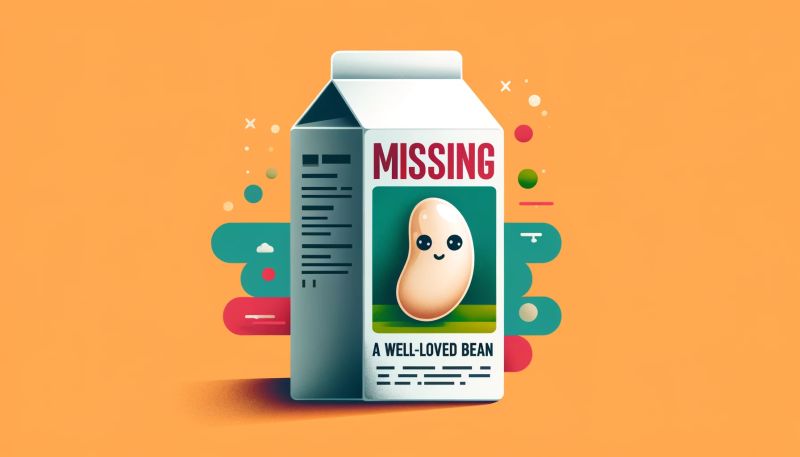
“You can’t get them anymore.”
“Why? Where have they gone?”
“There was a bad season and the harvest failed. Farmers keep asking but no-one has any.”
You see, the majority of crops Ugandan smallholders grow are not sourced from official seed dealers, but instead from local markets and other farmers. The bean seed that is sold is what farmers can spare.
And sparing beans is tricky for two reasons. Firstly because many are short on food and the beans stored from the previous year tend to only just reach to the next harvest. The second is that beans are hard to store due to insects and mould.
So for these reasons, it’s unlikely anyone keeps bean seed for more than one year, which means when a harvest fails, there’s no local back up.
And in the absence of genebanks, there might be no saved seed at all. So when the seed is gone, it’s gone.
And this is particularly concerning given that shock weather events are becoming more common, meaning that many other local varieties could face the same fate.
This shows:
- The pressing risks of climate change on losing locally-valued varieties in farmer seed systems.
- The importance of collecting and preserving local varieties in genebanks - and making sure farmers have access to these collections.
And there’s a potential win-win to this second point if we collect more local diversity in genebanks, we can also share this with farmers across agro-ecologies allowing farmers to draw on a wide range of climate-resilient varieties.
Which is why we’re doing exactly that as part of the Seeds for Resilience project with Crop Trust. Here’s an example in Nigeria: