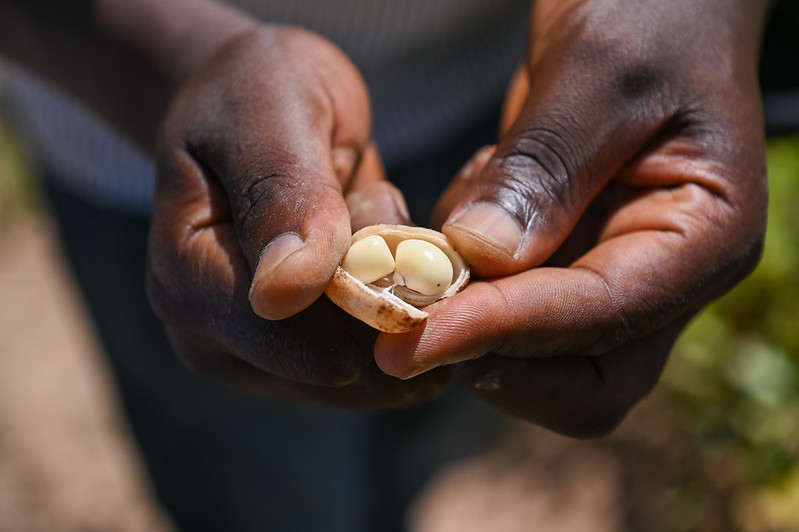
The power in national genebanks
National genebanks offer someting unique.
We often focus on large international genebanks, but national genebanks offer something special. Thanks Food Tank for helping us spread the word.
Genebanks are essential for conserving crop diversity, especially as we are losing many indigenous varieties to changing farming practices and climate change. This conservation is critical, as once this diversity is gone, it is lost forever.
And genebanks are not just museums. They ensure we can continue to use valuable crop traits - and this ‘use’ component is where the national genebanks come in.
National genebanks tend to have smaller collections than international genebanks, and so can live in the shadow of larger institutes or breeding programmes. As such, they can be overlooked and underinvested.
But national genebanks offer something unique. Their collections tend to cater to a wide range of nationally important crop varieties that are well adapted for the range of local growing conditions and consumer preferences 👩🌾 These include indigenous crops, which are often looked in crop breeding but are important for nutritional needs and local heritage.
It is these collections that make national genebanks so well placed to respond to local farmers’ needs. In a time when growing seasons are shifting and shock events are becoming more common. National genebanks therefore offer an efficient and strategic way for governments to rapidly build farming resilience.
For instance:
💪 National genebanks assist farmers in accessing locally-adapted varieties that can offer resilience to pests and climate stresses.
🤝 Building exchange between communities and genbanks also supports farmer decision-making by allowing farmers to make varied choices to complement diverse livelihoods.
🫘 These same farmer-genebank connections also raise the likelihood of conserving more locally-valued varieties, and aids ongoing understanding of farmer needs for further crop improvement.
And this exactly what the Ghanaian national genebank CSIR-PGRRI have been doing with the support of Seeds for Resilience from the Crop Trust. It was a pleasure to discuss this with Maya Deutchman of Food Tank and to share these findings alongside the always inspiring Director of PGRRI, Daniel Ashie Kotey (PhD).
PGRRI in Ghana is but one of five genebanks on SFR, each with a similar story. Supporting national genebanks is a promising approach to support rural communities and conserve biodiversity. It’s time to recognise the untapped potential in national seed banks for building agricultural resilience.
Huge thanks to Luis M. Salazar for connecting Maya and Food Tank with this project!