Hi, I'm Matt Heaton - a research fellow working in agriculture at the interface of natural and social sciences. I manage research, write on food security, visualise data and produce visual content for research groups.
Recent Posts
→ See all postsBlog post, articles and updates on my work, collaborations, experences and opinions. Mostly on writing on sustainability, agricultural development and food systems.
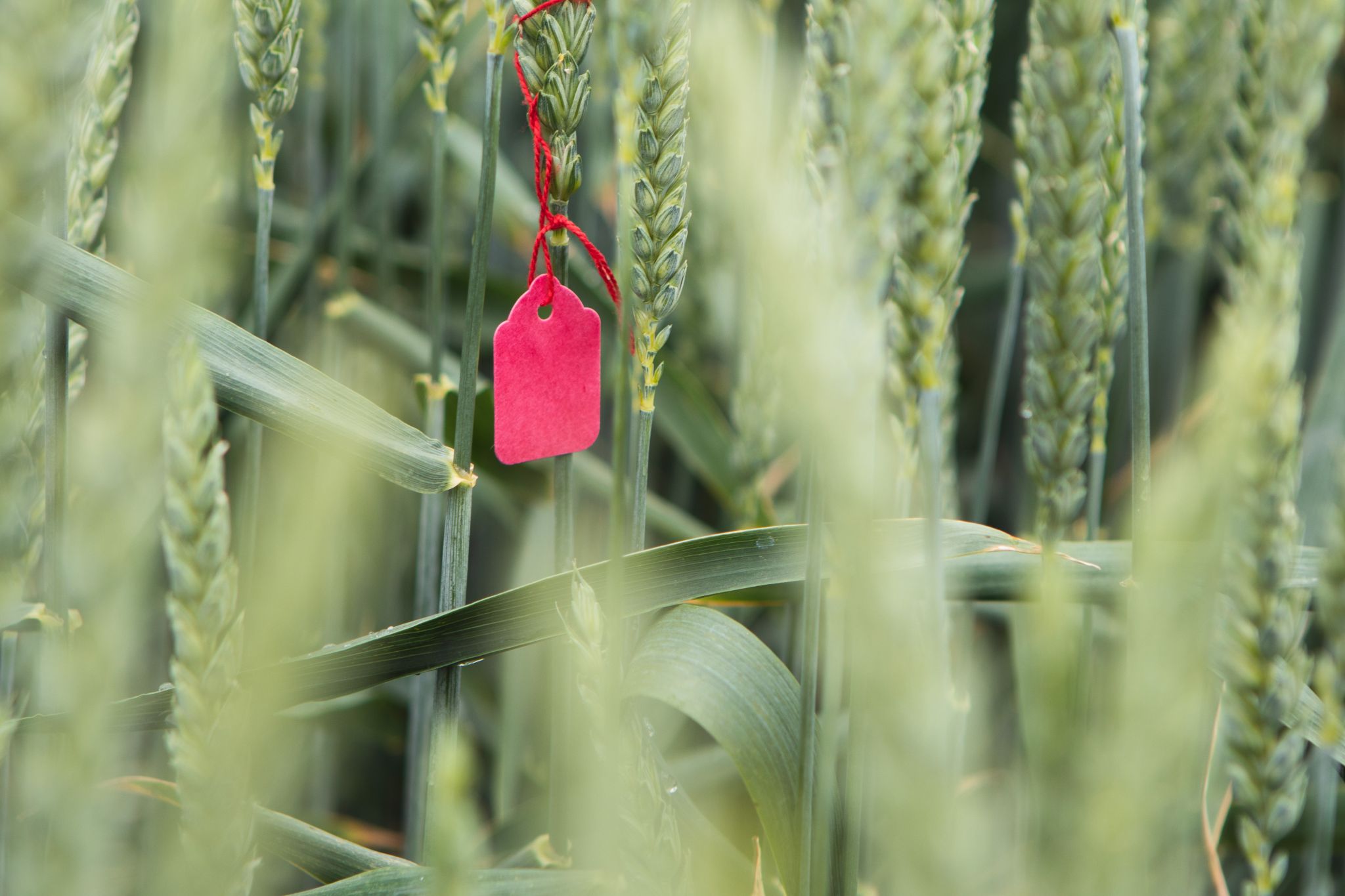
We've released the new precision breeding procedures
We know gene editing regulations are changing globally but less is shared on the field trial procedures, so we made a resource for the co...
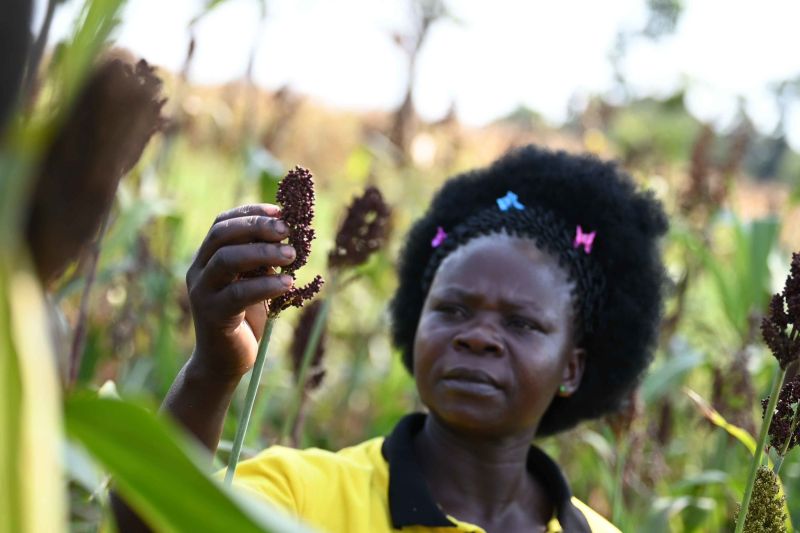
Connecting national genebanks directly with smallholders supports local resilience efforts
Connecting national genebanks directly with smallholders supports local resilience efforts. Great to have our paper in Plant Genetic Reso...
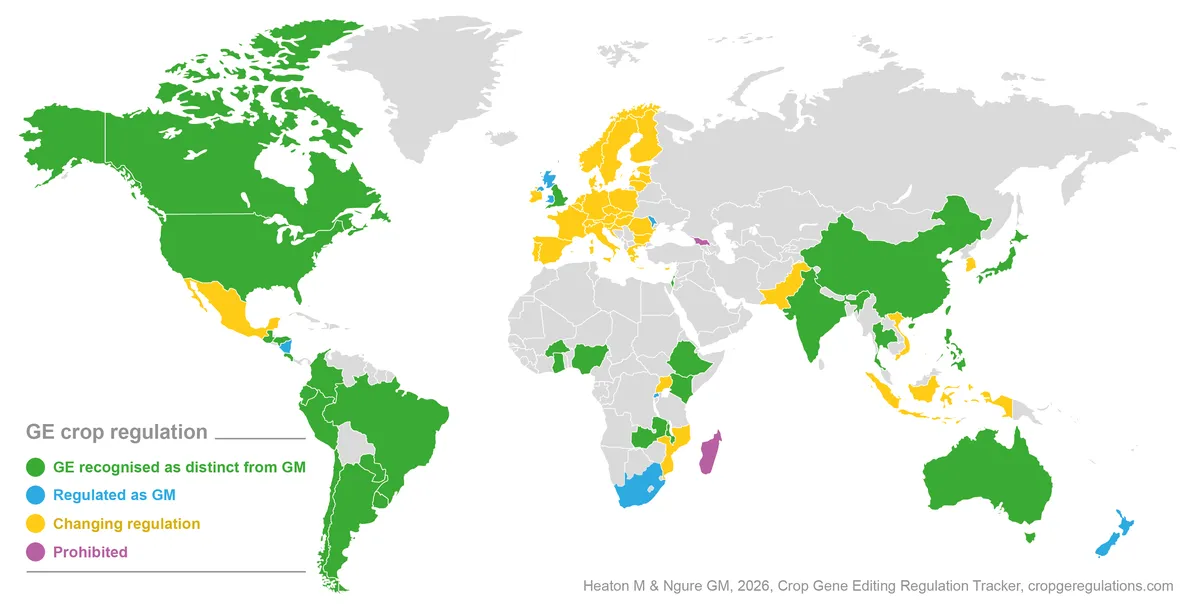
I've made new tool to help track & communicate crop GE regulatory change
Like the map above? It’s yours to use. I’ve made a website to freely provide high-res versions and news on gene editing regulatory change...
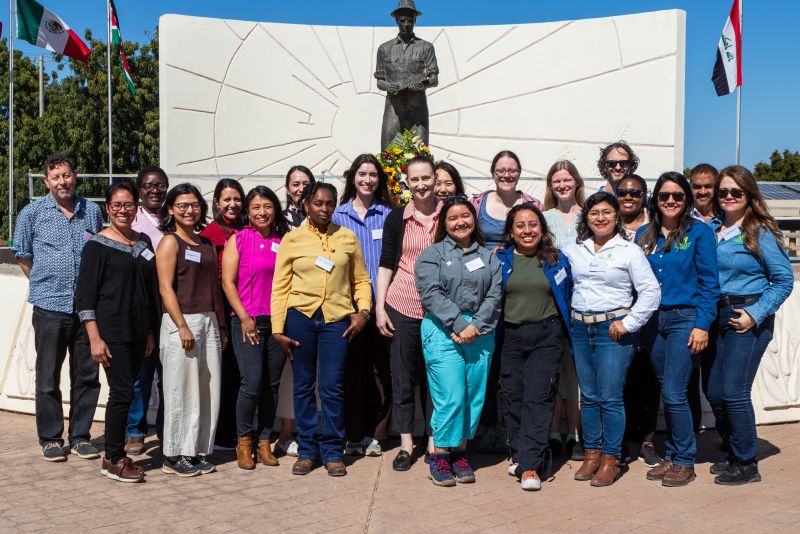
Supporting the next women leaders in wheat research
I am just back from A fantastic couple of days at CIMMYT-Obregón working alongside Diane Saunders on the Rosalind Franklin Women in Wheat...
Research
→ See all researchMy research mainly focuses in the interface between farmers, consumers, crop technologies, surrounding institutions and policy / regulations.
Data Visualisation
→ See all data visData visualisation is a bit of a hobby of mine. Here are some of my visualisations exploring humanitarian and sustainability challenges.
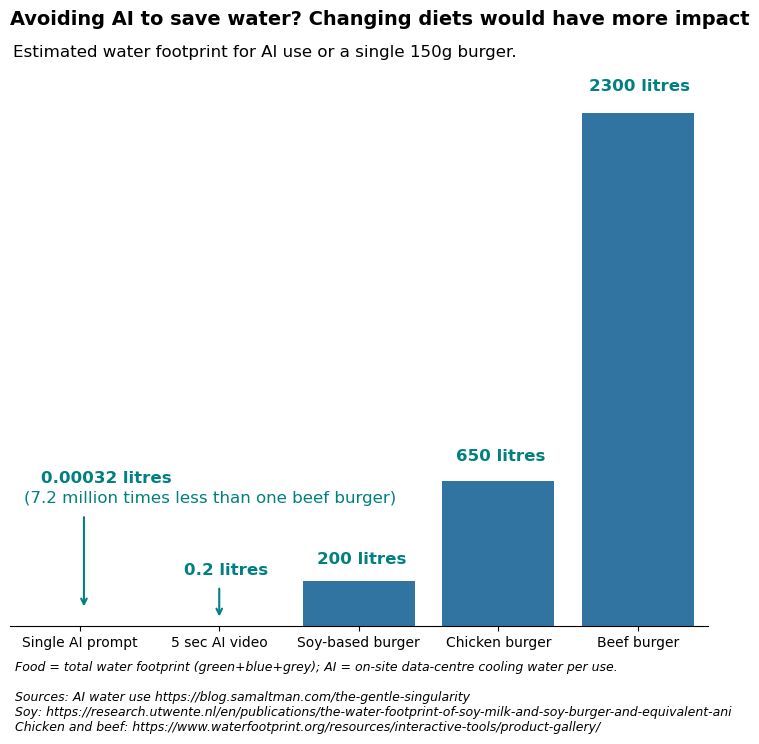
Avoiding AI to save water? Change your diet first
I've seen lots recently on avoiding AI use to reduce water consumption - fair enough, but it seems dietary change would be more effective.
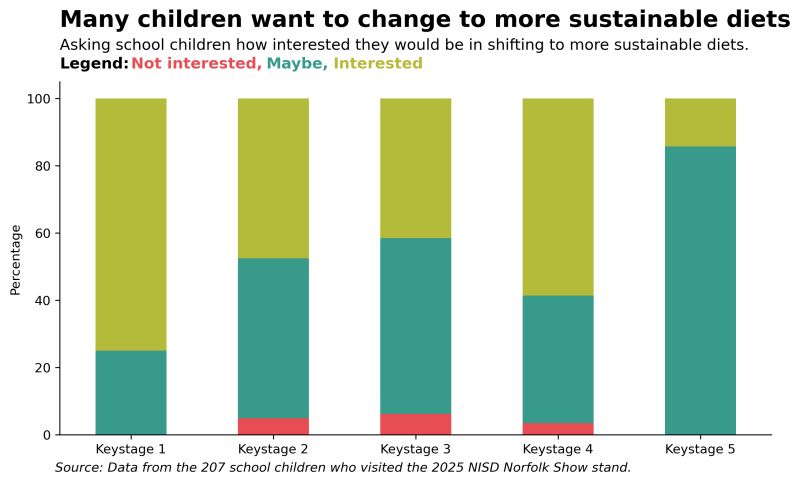
How do young people see food and sustainability?
Younger people have more of the future ahead of them and so will be more affected by the sustainability choices we make today. Yet these same groups are often left out of sustainability conversations and decision-making
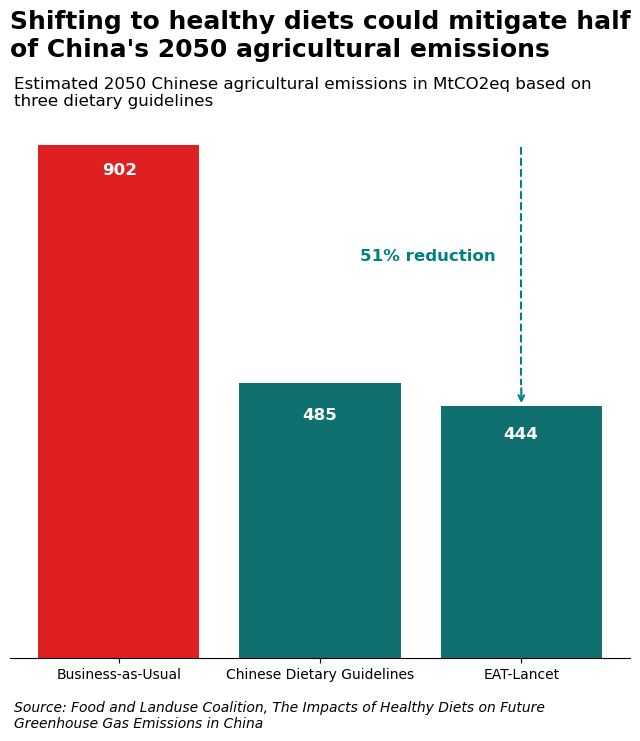
Shifting to healthy diets could mitigate half of China's agricultural emissions
If China shifted to widespread adoption of healthy diets, it would reduce agricultural emissions by 51%. An ongoing win-win is that healthy diets are also more sustainable.
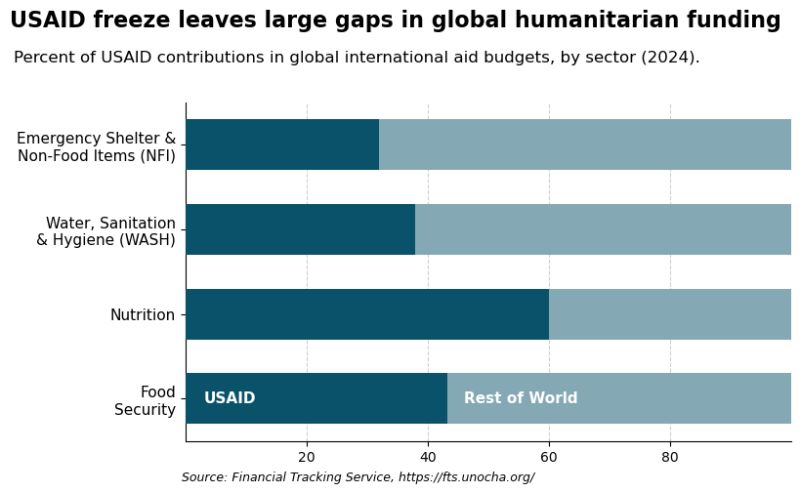
USAID freeze leaves large gaps across a range of humanitarian funding
Imagine a group responsible for $13.80 billion in humanitarian efforts in 2024 freezing almost over night... that's happening right now.